
Skincare has a habit of anointing one hero ingredient per year, burning through it, and moving on. Niacinamide is the exception — it’s been quietly sitting in the top tier for a decade, recommended by dermatologists with a consistency they reserve for almost nothing else sold over the counter. It’s in serums, moisturizers, sunscreens, and cleansers, usually without fanfare, often without even making the front label.
The reason is simple: niacinamide does a little bit of everything, does it gently, and gets along with every other ingredient in your routine. That last part matters more than people realize. In a world of actives that can’t touch each other without drama — acids, retinoids, vitamin C — niacinamide is the diplomat. Here’s what it actually does, what it doesn’t, and how to get the most out of it.
What Is Niacinamide?
Niacinamide is a form of vitamin B3 — you’ll sometimes see it called nicotinamide. Your skin cells use it to produce NAD+, a coenzyme involved in energy production and cellular repair. As we age and take on sun damage, NAD+ levels drop; topical niacinamide helps replenish the supply, which is the biological root of most of its benefits.
Unlike many actives, niacinamide is stable. It doesn’t degrade in sunlight like retinoids or oxidize in the bottle like vitamin C. It’s water-soluble, works across a wide pH range, and tolerates being formulated alongside almost anything — which is exactly why brands put it everywhere.
What Niacinamide Actually Does for Skin
Strengthens your skin barrier
This is niacinamide’s core competency. It boosts production of ceramides — the lipids that hold your skin barrier together — which means less water loss, less sensitivity, and skin that handles stress (weather, actives, over-cleansing) noticeably better. If your skin stings when you apply products, a damaged barrier is often why, and niacinamide is one of the best-studied repair tools.
Regulates oil and minimizes the look of pores
Studies show niacinamide reduces sebum production over several weeks of use. Less oil means less stretched, congested pores — which is where the \”pore-minimizing\” claims come from. It won’t shrink pores (nothing does; pore size is largely genetic), but it makes them less visible by keeping them clear and tight.
Fades dark spots and evens tone
Niacinamide interferes with the transfer of pigment from melanocytes to skin cells. In clinical studies, 4-5% niacinamide visibly reduced hyperpigmentation over 8 to 12 weeks — comparable in some trials to hydroquinone, with none of the harshness. It’s a slow, steady brightener rather than a dramatic one.
Calms redness and breakouts
Niacinamide is a mild anti-inflammatory, which translates to less redness, less post-breakout lingering pink, and a useful supporting role in acne routines. Some research also supports oral nicotinamide for skin health — but that’s a conversation for your doctor, not your shopping cart.
The Percentage Trap: Why 10% Isn’t Better Than 5%
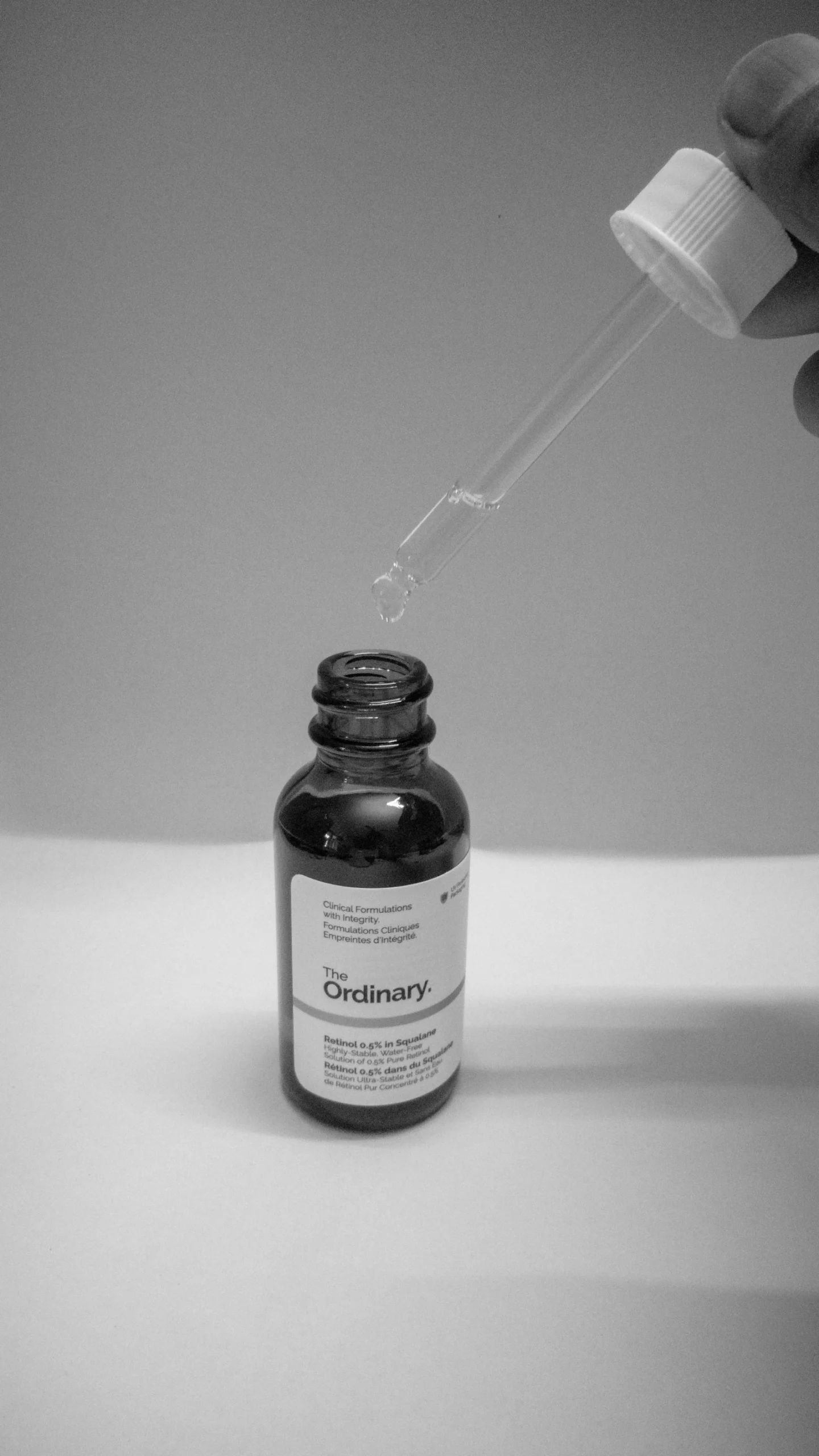
Skincare marketing has trained us to think bigger numbers mean better results, and niacinamide is where that logic falls apart most clearly. Nearly all of the published research showing real benefits used concentrations between 2% and 5%. The 10%, 15%, even 20% serums on shelves aren’t backed by better data — they’re backed by better marketing.
Worse, high concentrations are the main reason people think they \”can’t tolerate niacinamide.\” Flushing, itching, and tightness show up far more often at 10%+ than at 5%. If a strong serum made your skin unhappy, you didn’t fail niacinamide — the formula did. A 4-5% product delivers the studied benefits with a fraction of the irritation risk.
How to Add Niacinamide to Your Routine
- Format: a dedicated serum gives the most predictable dose, but a moisturizer with niacinamide works just as well for barrier and redness benefits. You don’t need both.
- When: morning, night, or both — it’s not photosensitizing. Apply after cleansing and before moisturizer, on slightly damp or dry skin.
- With vitamin C: fine. The old claim that they cancel each other out comes from 1960s research on unstabilized formulas at high heat. Modern formulations coexist happily; many products combine them on purpose.
- With retinoids: better than fine — ideal. Niacinamide’s barrier support directly offsets retinoid irritation. If you’re starting tretinoin, niacinamide is the single best supporting ingredient you can add.
- With acids (AHA/BHA): no real conflict. If you have very sensitive skin, use them at different times of day, but for most people layering is a non-issue.
Expect a timeline, not magic: oil control shows up in 2 to 4 weeks, barrier improvements around week 4, and pigmentation changes at 8 to 12 weeks. Take a photo on day one — niacinamide’s changes are gradual enough that you’ll otherwise convince yourself nothing happened.
What Niacinamide Won’t Do
Honesty time. Niacinamide will not erase deep wrinkles — that’s retinoid territory. It won’t replace sunscreen, clear cystic acne on its own, or deliver overnight transformation of any kind. It’s a supporting actor with an unusually wide range, not a lead. The routines that get the most from it pair it with a proven heavy-hitter: sunscreen daily, plus a retinoid or exfoliating acid doing the structural work while niacinamide keeps the peace.
Who Should Use It (Spoiler: Almost Everyone)
Oily and acne-prone skin gets the sebum regulation. Dry, sensitive skin gets the ceramide boost. Combination skin gets both. Mature skin gets the NAD+ support and gradual brightening. Rosacea-prone skin often tolerates it where other actives fail. True intolerance exists but is rare, and usually traceable to those overcooked high-percentage formulas. If you react, drop to a lower concentration inside a moisturizer rather than giving up entirely.
People Also Ask
What does niacinamide do for your skin?
Niacinamide strengthens the skin barrier by boosting ceramide production, regulates oil, fades dark spots, calms redness, and makes pores look smaller. It’s a form of vitamin B3 that works gradually — expect visible changes in four to twelve weeks of consistent use rather than days.
Can I use niacinamide every day?
Yes — daily use, even twice daily, is exactly how the studies that proved its benefits were run. It’s non-photosensitizing, so morning use is safe, and it’s gentle enough that it rarely needs the slow ramp-up that retinoids and acids demand.
Which is better, niacinamide or vitamin C?
They do different jobs: vitamin C is a stronger antioxidant and brightener best used in the morning under sunscreen, while niacinamide is the better barrier-builder and oil regulator. You don’t have to choose — modern formulas layer perfectly well, and the combination covers more ground than either alone.
Can niacinamide cause purging?
No — purging comes from ingredients that accelerate cell turnover, like retinoids and exfoliating acids, and niacinamide doesn’t work that way. If you break out after starting a niacinamide product, suspect another ingredient in the formula or a too-high concentration, not the niacinamide itself.
How long does niacinamide take to work?
Oil control and a calmer, less reactive feel typically show within two to four weeks. Barrier strength improves around the one-month mark, and hyperpigmentation fades over eight to twelve weeks. If nothing has changed after three months of daily use, the product’s concentration or the rest of your routine is the more likely problem.
The Bottom Line
Niacinamide earns its permanent spot in skincare the unglamorous way: broad benefits, minimal risk, total compatibility, and decades of data. Pick a 4-5% serum or a moisturizer that includes it, use it daily alongside sunscreen, pair it with a retinoid if you’re doing anti-aging work, and give it a month. It won’t be the most exciting product on your shelf — it’ll just be the one everything else works better with.