
Here’s a statistic that should be famous: only around 5% of Americans eat enough fiber. Not \”could eat a little more\” — actually meet the recommended intake. Nutrition researchers have called fiber the single most under-consumed nutrient in the Western diet, and the gap isn’t small. Most adults get 15 to 17 grams a day against a target of 25 to 38.
That gap matters more than almost any other dietary shortfall, because fiber’s benefits read like a wellness wish list: better digestion, lower cholesterol, steadier blood sugar, a healthier gut microbiome, easier weight management, and — in study after study — lower risk of heart disease and colorectal cancer. Every 10 grams of daily fiber is associated with meaningfully lower all-cause mortality. No supplement has a resume like that.
The best part: closing the gap doesn’t require a diet overhaul. It requires knowing which foods carry serious fiber and slotting a few more of them into meals you already eat. Here’s the full map.
Soluble vs. Insoluble: The 30-Second Version
Fiber comes in two broad types, and most plants carry both. Soluble fiber dissolves into a gel — it’s the type that lowers cholesterol, slows sugar absorption, and feeds your gut bacteria. Oats, beans, apples, and barley are rich in it. Insoluble fiber doesn’t dissolve; it adds bulk and keeps everything moving. Whole wheat, nuts, and vegetable skins deliver it. You don’t need to track the two separately — eat a variety of plants and the ratio takes care of itself.
The Best Fiber Rich Foods, by Category
Legumes: the undisputed champions
- Split peas and lentils: 15-16 g per cooked cup — half a day’s target in one ladle of dal or soup.
- Black beans, chickpeas, kidney beans: 12-15 g per cooked cup, plus 15 g of protein riding along.
- Edamame: 8 g per cup, and one of the easiest snacks in the freezer aisle.
If you change only one thing after reading this, make it beans a few times a week. Nothing else delivers fiber this densely, this cheaply.
Fruits
- Raspberries and blackberries: 8 g per cup — the fiber royalty of the fruit world.
- Pears and apples: 5-6 g each, skin on. Peel them and you throw away half the point.
- Avocado: 10 g per whole fruit, along with the good fats.
- Bananas, oranges, kiwi: 2-3 g each — modest, but they add up as snacks.
- Dried figs and prunes: concentrated fiber (and prunes bring sorbitol, which is why they work).
Vegetables
- Artichokes: 7 g per medium artichoke — the highest-fiber vegetable most people never buy.
- Green peas: 9 g per cooked cup.
- Broccoli and Brussels sprouts: 4-5 g per cup, plus the compounds that made them famous.
- Sweet potato: 4 g with the skin on.
- Carrots, beets, cauliflower: 3-4 g per cup and easy to eat in volume.
Whole grains
- Bulgur and barley: 6-8 g per cooked cup — barley is the sleeper hit for soups.
- Oats: 4 g per cooked cup, heavy on cholesterol-lowering beta-glucan.
- Quinoa and brown rice: 3.5-5 g per cup.
- Whole wheat pasta and bread: roughly double the fiber of their white versions — the least effortful swap on this list.
- Popcorn: yes, really — about 6 g per 5 cups air-popped. A whole grain wearing a snack costume.
Nuts and seeds
- Chia seeds: 10 g per ounce (about 2 tablespoons) — the most concentrated everyday source there is.
- Flaxseed: 8 g per ounce, ground for best absorption.
- Almonds and pistachios: 3-4 g per ounce.
- Psyllium husk: technically a supplement, but at 5 g of mostly soluble fiber per teaspoon it deserves its spot — we’ve covered it in depth in our psyllium husk guide.
A Day That Hits 35 Grams Without Trying
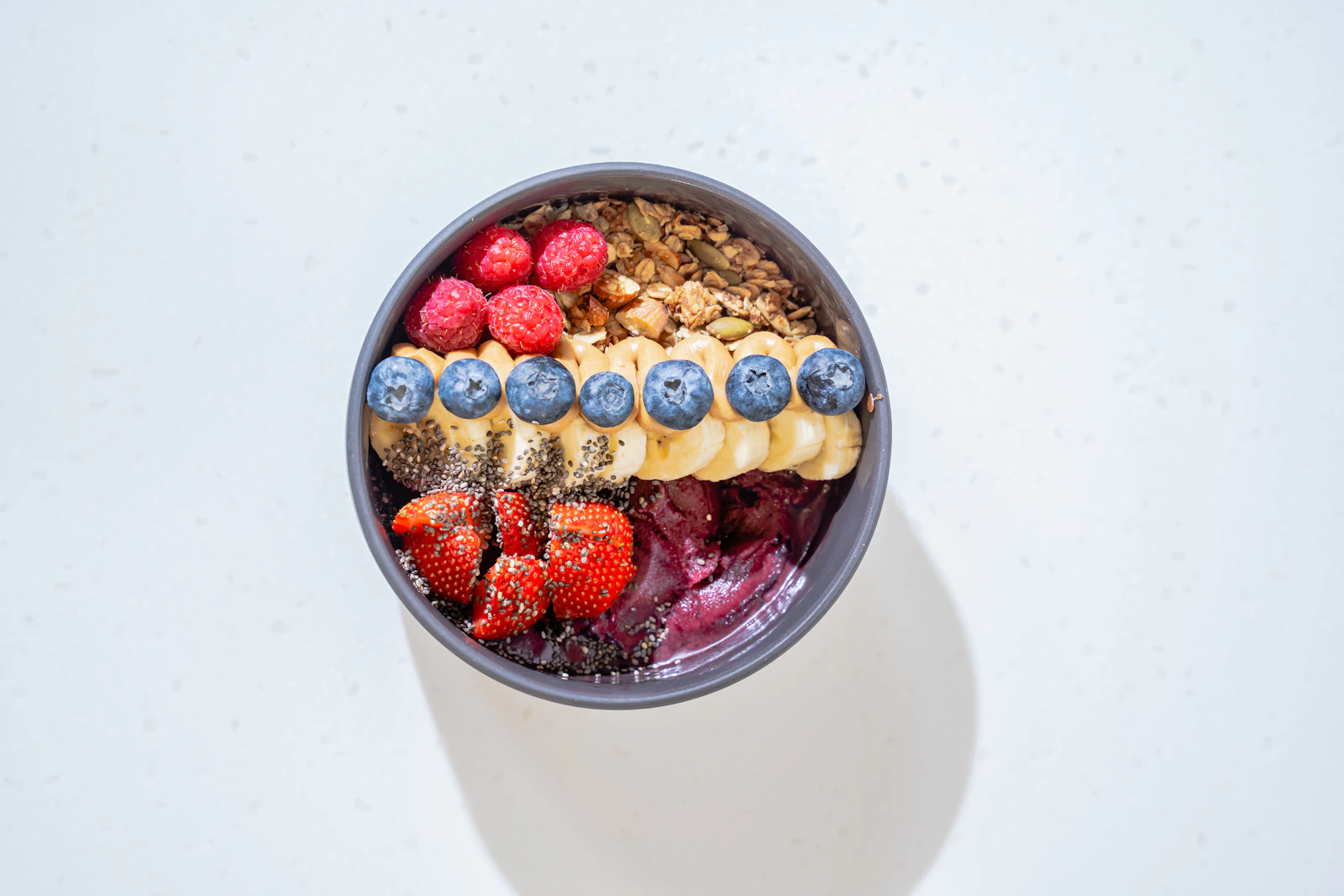
Breakfast: oatmeal with a tablespoon of chia and a cup of raspberries — 17 g already. Lunch: any salad or grain bowl with half a cup of chickpeas and half an avocado — add 11 g. Snack: an apple with peanut butter or a few cups of popcorn — 4-6 g. Dinner: whatever you were having, with a side of roasted broccoli or a scoop of lentils — 4-8 g. That’s 36 to 42 grams, and at no point did anyone eat anything sad.
Fiber also pairs beautifully with protein for fullness — the combination is the most satiating plate nutrition science knows. If you’re working on both, our high protein foods guide is the companion piece to this one: beans, lentils, and edamame sit on both lists, which is exactly why they’re the most underrated foods in the supermarket.
How to Increase Fiber Without Regretting It
The classic mistake is going from 15 grams to 40 overnight and blaming the beans for the consequences. Your gut bacteria need time to adapt to the new food supply. Three rules keep the transition comfortable:
- Add about 5 grams per week — one new fiber-rich food at a time — until you reach your target.
- Drink more water as you go. Fiber works by absorbing water; without enough, it can slow things down instead of helping.
- Spread it across the day rather than loading one giant salad at dinner. Your gut (and your evening) will thank you.
Temporary gas and bloating in the first couple of weeks is normal and settles as your microbiome adjusts. If you have IBS, Crohn’s, or other digestive conditions, increase more cautiously and involve your doctor or dietitian — fiber type and amount get more individual there. This article is general information, not medical advice.
People Also Ask
What food is highest in fiber?
Per serving, legumes win: split peas and lentils deliver 15-16 grams per cooked cup, with black beans and chickpeas close behind. Per ounce, chia seeds top everything at about 10 grams. Among everyday fruits and vegetables, raspberries, artichokes, avocado, and green peas lead the pack.
How can I get 30 grams of fiber a day?
Build each meal around one strong source: oats with berries and chia at breakfast (12-17 g), beans or lentils at lunch (7-15 g), a fruit or popcorn snack (4-6 g), and whole grains or extra vegetables at dinner (5-8 g). Swapping white bread, rice, and pasta for whole grain versions quietly adds several more grams without changing what you cook.
What are the signs you’re not getting enough fiber?
Constipation and irregular digestion are the obvious ones, but low fiber also shows up as getting hungry soon after meals, energy dips from blood sugar swings, and creeping LDL cholesterol. Long term, low fiber intake is linked to higher risk of heart disease, type 2 diabetes, and colorectal cancer.
Is it better to get fiber from food or supplements?
Food first, always. Whole foods bundle fiber with vitamins, minerals, and polyphenols, and provide the variety your gut bacteria thrive on. Supplements like psyllium are useful gap-fillers — especially for cholesterol or regularity — but they can’t replicate the diversity of fiber types that a plant-rich diet provides.
Do fiber rich foods help with weight loss?
They’re one of the most reliable tools there is. Fiber adds bulk and slows digestion, so high-fiber meals keep you full longer on fewer calories — and studies show that simply aiming for 30 grams a day produces meaningful weight loss even without other diet rules. Fiber-rich foods are also generally the least calorie-dense items in the store.
The Bottom Line
Fiber is the least glamorous, most consequential nutrient on your plate. Aim for 25 to 38 grams a day, get there with legumes, berries, whole grains, nuts, seeds, and vegetables rather than willpower, and ramp up gradually with plenty of water. Within a few weeks the changes are tangible — steadier energy, better digestion, longer-lasting meals — and the long-term numbers on heart health are some of the best in all of nutrition. The 5% club is very easy to join; it mostly requires beans.