
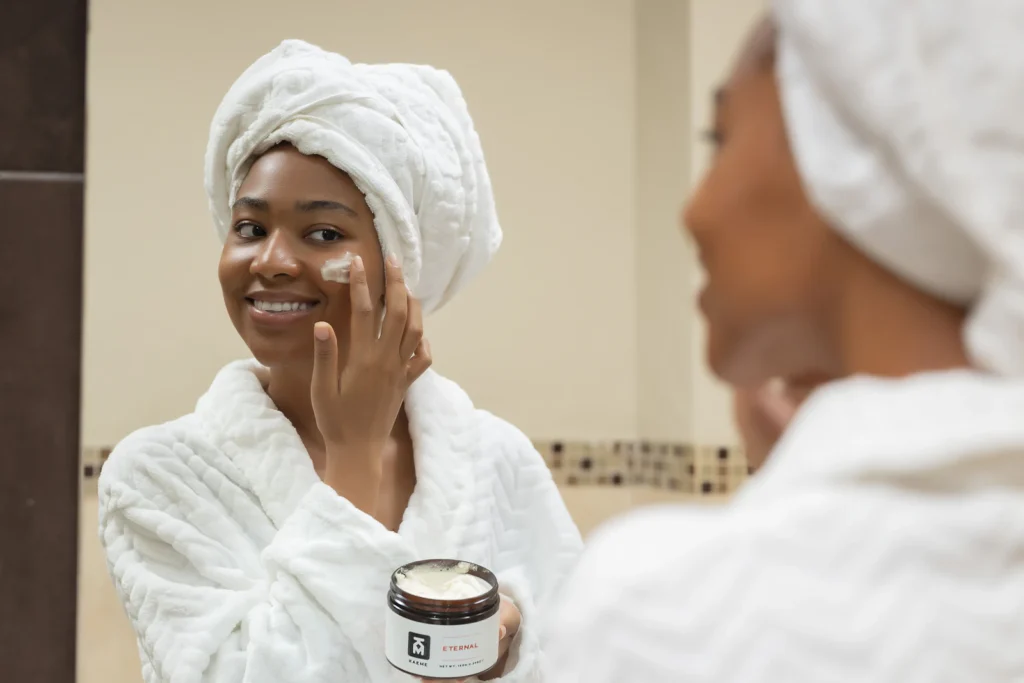
If skincare ingredients had a hall of fame, tretinoin would be the first inductee. Dermatologists have been prescribing it since the FDA approved it for acne back in 1971, and more than five decades of research later, it remains the gold standard for two things almost everyone cares about: clearing breakouts and softening the visible signs of aging. No over-the-counter serum, however beautifully packaged, has receipts like tretinoin’s.
It’s also, famously, the ingredient most likely to make your skin angry for the first month. Flaking, redness, the dreaded purge — most people who quit tretinoin quit in weeks two through six, right before it starts working. This guide walks through what tretinoin actually does, how to start it the smart way, and how to get through the adjustment period with your skin barrier (and your patience) intact.
One thing up front: tretinoin is a prescription medication in most countries, including the US. This article is general information, not medical advice — your prescribing doctor or dermatologist knows your skin and history, and their instructions win every time.
What Is Tretinoin, Exactly?
Tretinoin — also called all-trans retinoic acid, and sold under brand names like Retin-A, Renova, and Altreno — is a derivative of vitamin A. It belongs to the retinoid family, which also includes over-the-counter retinol, adapalene (Differin), and the oral medication isotretinoin.
Here’s the key difference between tretinoin and the retinol in your drugstore serum: retinol has to be converted by your skin, in two steps, into retinoic acid before it does anything. Tretinoin is retinoic acid. It binds directly to retinoid receptors in your skin cells and gets to work immediately — which is why it’s roughly 20 times more potent than retinol, why the results come faster, and also why the adjustment period is rougher.
What Tretinoin Actually Does for Skin
Tretinoin works by dramatically speeding up cell turnover — the rate at which your skin sheds old cells and replaces them with new ones. That one mechanism drives an impressive list of benefits:
- Acne: faster turnover keeps dead cells from clogging pores, which is where breakouts begin. It treats existing acne and prevents new comedones from forming.
- Fine lines and wrinkles: tretinoin stimulates collagen production and inhibits the enzymes that break collagen down. Studies show measurable improvement in fine lines with consistent use over 6 to 12 months.
- Dark spots and uneven tone: by accelerating turnover, it fades post-acne marks, sun spots, and melasma faster than skin would manage on its own.
- Texture and pores: smoother surface, less congestion, and pores that look smaller because they’re not stretched by debris.
The catch is the timeline. Acne typically improves within 8 to 12 weeks. Texture changes show up around month three. Collagen remodeling — the anti-aging payoff — is a 6-to-12-month project. Tretinoin rewards patience and punishes enthusiasm, which brings us to how to start.
Choosing a Strength (Hint: Start Low)
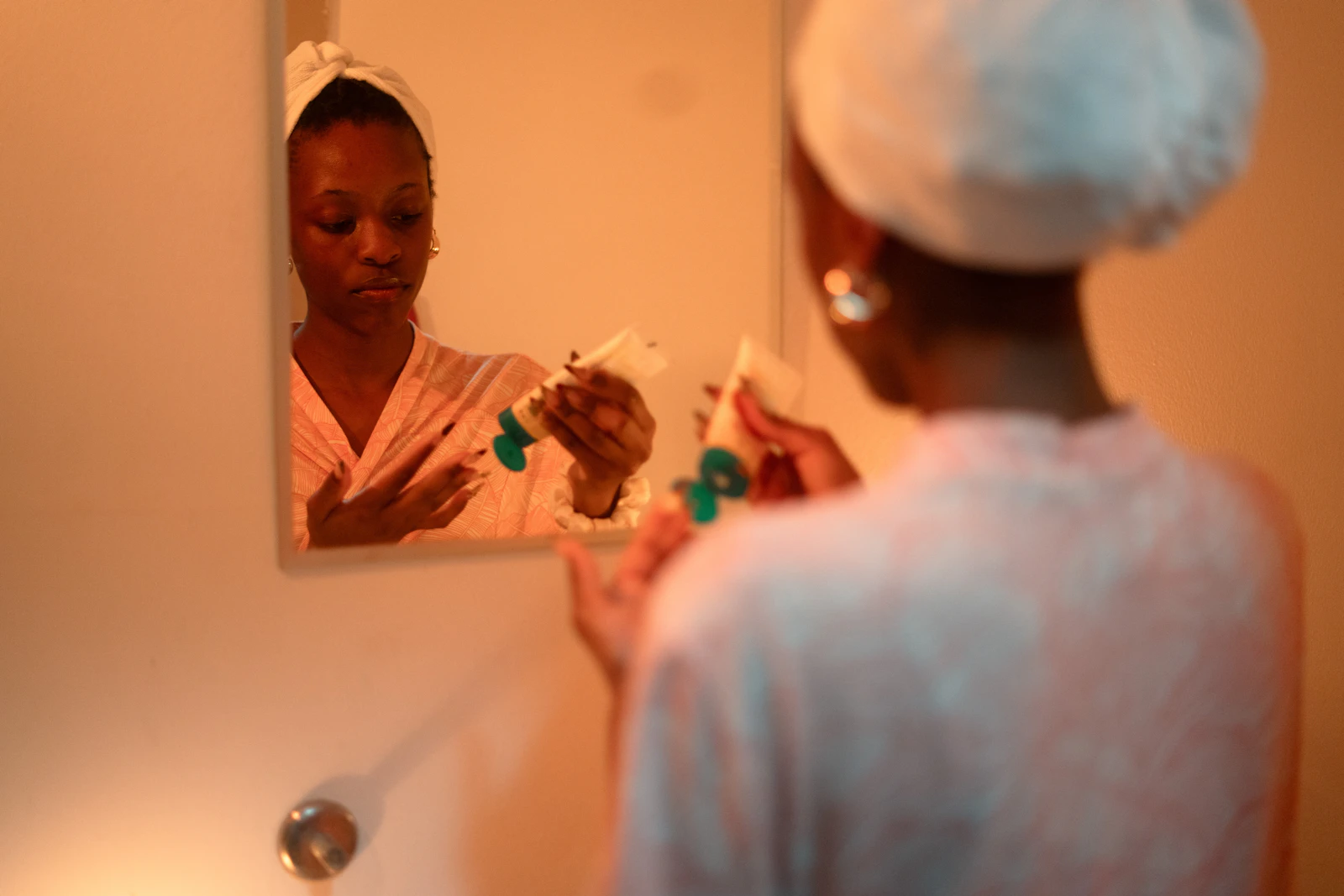
Tretinoin cream commonly comes in three strengths: 0.025%, 0.05%, and 0.1%. There’s also a gel, which penetrates faster and suits oily skin, while the cream is gentler and better for dry or sensitive skin.
Here’s what surprises most people: research comparing strengths found that lower concentrations deliver most of the same long-term benefits with significantly less irritation. Almost everyone should start at 0.025%. Your doctor may move you up after six months to a year — or may not, because staying at a lower strength you can use consistently beats a higher strength you can only tolerate twice a week. Consistency, not concentration, is what drives results.
How to Start Tretinoin Without Wrecking Your Skin
The golden rules
- Night only. Tretinoin degrades in sunlight and makes skin more sun-sensitive. It’s a nighttime medication, full stop.
- Dry skin, always. Wash your face, then wait 20 to 30 minutes before applying. Damp skin absorbs more tretinoin than intended, which means more irritation for no extra benefit.
- A pea-sized amount. For your entire face. This is not marketing understatement — more product does not work better, it only irritates more. Dot it on forehead, cheeks, and chin, then spread thinly. Avoid the corners of your nose and mouth, and the under-eye area at first.
- Start two nights a week. Weeks one and two: twice weekly. Weeks three and four: every third night. From there, work toward every other night, then nightly if your skin allows. Some people stay at every other night forever, and that’s fine.
- Moisturize like it’s your job. Either apply moisturizer 20 minutes after tretinoin, or use the \”sandwich method\”: moisturizer, then tretinoin, then moisturizer again. Sandwiching slightly buffers the medication and is the single best trick for sensitive skin.
- SPF 30+ every single morning. Not negotiable. Tretinoin thins the dead outer layer of skin that provides some natural sun protection, and new skin is vulnerable skin. Skipping sunscreen while using tretinoin actively undoes the anti-aging work you’re paying for.
What to expect: the purge and the \”tret face\” weeks
Between weeks two and six, many users experience the purge: breakouts that were brewing under the skin surface all at once, thanks to accelerated turnover. It looks like things are getting worse. They aren’t — the pipeline is just clearing. The purge shows up where you normally break out and resolves within a few weeks; a true bad reaction shows up in new places and gets steadily worse, which is your cue to call the prescriber.
Alongside the purge, expect some dryness, flaking, and mild redness — the retinization period. It peaks around weeks two to four and settles by week eight or so. Cut back frequency if it gets uncomfortable; pushing through severe irritation damages your barrier and sets you back further than slowing down would.
What Not to Mix With Tretinoin
Keep the rest of your routine boring while you adjust. In the beginning, avoid layering tretinoin on the same night as:
- AHAs and BHAs (glycolic, lactic, salicylic acid) — exfoliating on top of accelerated turnover is a recipe for a compromised barrier.
- Benzoyl peroxide — it can oxidize tretinoin and doubles the irritation. If you need both, use benzoyl peroxide in the morning.
- Vitamin C — not dangerous, just better in the morning where its antioxidant protection complements sunscreen.
- Physical scrubs and at-home peels — your skin is already exfoliating from the inside. Adding friction is how people end up raw.
What pairs beautifully: a gentle cleanser, a ceramide or hyaluronic acid moisturizer, and niacinamide, which calms inflammation and supports the barrier while tretinoin does its thing. A simple routine is a successful routine.
Who Should Not Use Tretinoin
Tretinoin is off the table during pregnancy and breastfeeding — retinoids as a class carry that restriction, so tell your doctor if pregnancy is possible or planned. People with eczema, rosacea, or a genuinely reactive skin barrier need a dermatologist’s guidance rather than a starter prescription from a telehealth form. And if you’re having waxing, laser treatments, or chemical peels, you’ll typically need to pause tretinoin several days beforehand — it makes skin far easier to injure.
People Also Ask
What does tretinoin cream do to your face?
Tretinoin speeds up skin cell turnover and stimulates collagen production. In practical terms, it clears and prevents acne, fades dark spots, smooths fine lines, and refines texture. Expect a rocky adjustment period of dryness and possible purging in the first four to six weeks before improvements become visible around weeks eight to twelve.
Is tretinoin better than retinol?
Tretinoin is significantly stronger — it’s the active form of vitamin A, while retinol must be converted by your skin first, losing potency along the way. Tretinoin delivers faster, more dramatic results but with more irritation and a prescription requirement. Retinol is a legitimate gentler on-ramp; many people start there and graduate to tretinoin.
How long does tretinoin take to work?
For acne, most studies show clear improvement by 12 weeks, with some change visible around week 8. For fine lines, dark spots, and overall texture, meaningful results take 3 to 6 months, and collagen-related improvements continue building for a year or more. The first month often looks worse before it looks better — that’s expected, not failure.
Can I use tretinoin every night?
Eventually, most people can — but almost nobody should start there. Begin two nights a week and increase gradually over six to eight weeks as your skin builds tolerance. Some people plateau at every other night permanently and still get excellent results. Frequency you can sustain beats frequency that leaves you flaking and quitting by week four.
Does tretinoin work under eyes?
It can — some of the strongest wrinkle research on tretinoin includes the crow’s feet area — but under-eye skin is thin and easily irritated. Wait until your face is fully adjusted, use a tiny amount buffered with moisturizer, keep it on the orbital bone rather than the lash line, and back off at the first sign of persistent redness. Many dermatologists suggest starting under-eye application only a few nights a week.
The Bottom Line
Tretinoin cream has more evidence behind it than any other topical for acne and skin aging — but it’s a marathon medication, not a miracle cream. Start at 0.025%, two nights a week, a pea-sized amount on dry skin, sandwich it with moisturizer, and wear sunscreen every morning without exception. Survive the first eight weeks and you’ll understand why dermatologists have been prescribing the same molecule for fifty years. Talk to a doctor or licensed telehealth dermatology service to find out whether it’s right for your skin.