

Vitamin D deficiency might be the most common health problem nobody knows they have. Estimates put roughly one billion people worldwide below optimal levels, and in northern countries the numbers spike every winter. Yet almost nobody catches it early — because the symptoms are so vague, so gradual, and so easy to blame on stress, age, bad sleep, or \”just one of those weeks\” that people live with them for years.
That’s a shame, because of all the deficiencies you could have, this one is among the easiest and cheapest to identify and fix. Here are the signs worth paying attention to, why they happen, who’s most at risk, and what actually raises your levels. As always: this is general information, not medical advice — a blood test and a conversation with your doctor beat any checklist.
Why Vitamin D Matters More Than You Think
Vitamin D isn’t really a vitamin in the usual sense — it’s a hormone your skin manufactures when UVB rays hit it. Nearly every tissue in your body has receptors for it. Its most famous job is helping your gut absorb calcium, which keeps bones dense and strong. But it’s also deeply involved in immune function, muscle performance, and mood regulation, which explains why deficiency symptoms show up in such scattered, confusing places.
The 8 Most Common Signs of Vitamin D Deficiency
1. Fatigue that sleep doesn’t fix
The most reported symptom and the most ignored. Low vitamin D interferes with cellular energy production, producing a heavy, dragging tiredness that persists no matter how early you go to bed. Studies of people with unexplained fatigue routinely find low vitamin D, and supplementing often improves energy within weeks when deficiency is the cause.
2. Bone and lower back pain
Without enough vitamin D, calcium absorption drops and bones quietly demineralize. Persistent aching in the lower back, hips, or shins — a dull ache rather than a sharp injury pain — is a classic flag, especially when pressing on the breastbone or shins feels tender.
3. Frequent colds and infections
Vitamin D activates the immune cells that fight viruses and bacteria. If you catch everything going around the office — particularly respiratory infections — low D is a plausible contributor. Meta-analyses show supplementation modestly reduces respiratory infection risk in people who start out deficient.
4. Low mood, especially in winter
Vitamin D receptors are dense in the brain regions that regulate mood, and the winter dip in sunlight parallels the winter dip many people feel. The research on supplementing for depression is mixed, but the association between low D and low mood is consistent — and worth ruling out before blaming everything on January.
5. Muscle weakness and cramps
Muscle cells need vitamin D to contract properly. Deficiency shows up as unexplained weakness, cramps, or a wobbly, heavy-legged feeling climbing stairs. In older adults this matters enormously — low vitamin D is linked to falls, and correcting it improves muscle function and balance.
6. Slow wound healing
Vitamin D helps produce the compounds that build new skin. Cuts and scrapes that take noticeably longer to close, or post-surgical healing that lags, can reflect low levels.
7. Hair shedding
Hair follicles cycle with the help of vitamin D receptors. Severe deficiency is linked to hair loss, and low D is common in people with alopecia areata. If your shower drain has changed lately, vitamin D belongs on the list of things to test alongside iron and thyroid.
8. Bone loss showing up early
Often there are no symptoms at all until a bone density scan comes back low or a minor fall produces a fracture it shouldn’t have. This is why deficiency is called silent — the most serious consequence announces itself last.
Who’s Most at Risk?
- People who spend most days indoors — office workers, night-shift workers, gamers, and anyone whose sunlight arrives through a window (glass blocks UVB).
- Anyone north of roughly 37° latitude in winter — from November to March, the sun is too low for meaningful vitamin D production in much of the US, all of the UK, and northern Europe.
- People with darker skin — melanin is natural sunscreen, so the same sun exposure produces less vitamin D. Deficiency rates are dramatically higher in Black and South Asian populations living at northern latitudes.
- Adults over 65 — aging skin produces about a quarter of the vitamin D young skin does.
- People with higher body fat — vitamin D is fat-soluble and gets sequestered in fat tissue, lowering blood levels.
- Consistent sunscreen users and covered dressers — good for skin cancer prevention, but it comes with a D trade-off worth managing through diet or supplements.
- People with gut conditions — celiac, Crohn’s, and gastric bypass all impair absorption of fat-soluble vitamins.
How to Know for Sure: The Test
Symptoms suggest; blood work confirms. Ask your doctor for a 25-hydroxyvitamin D test (25(OH)D). Most labs flag results under 20 ng/mL (50 nmol/L) as deficient and 20-30 ng/mL as insufficient, with 30-50 ng/mL generally considered a healthy target. The test is cheap, routine, and often included in annual panels — sometimes the fix for years of mystery fatigue starts with one checkbox on a lab form.
How to Raise Your Levels
Sunlight: 10 to 30 minutes of midday sun on bare arms and legs a few times a week works in summer for lighter skin; darker skin needs longer. It’s free, but unreliable in winter and constrained by skin cancer risk — nobody should burn chasing vitamin D.
Food: helpful but rarely sufficient alone. The short list of meaningful sources: fatty fish (salmon, mackerel, sardines — 400-600 IU per serving), UV-exposed mushrooms, egg yolks, and fortified milk, plant milks, and cereals. A typical diet delivers 150-300 IU a day against a common target of 600-800+.
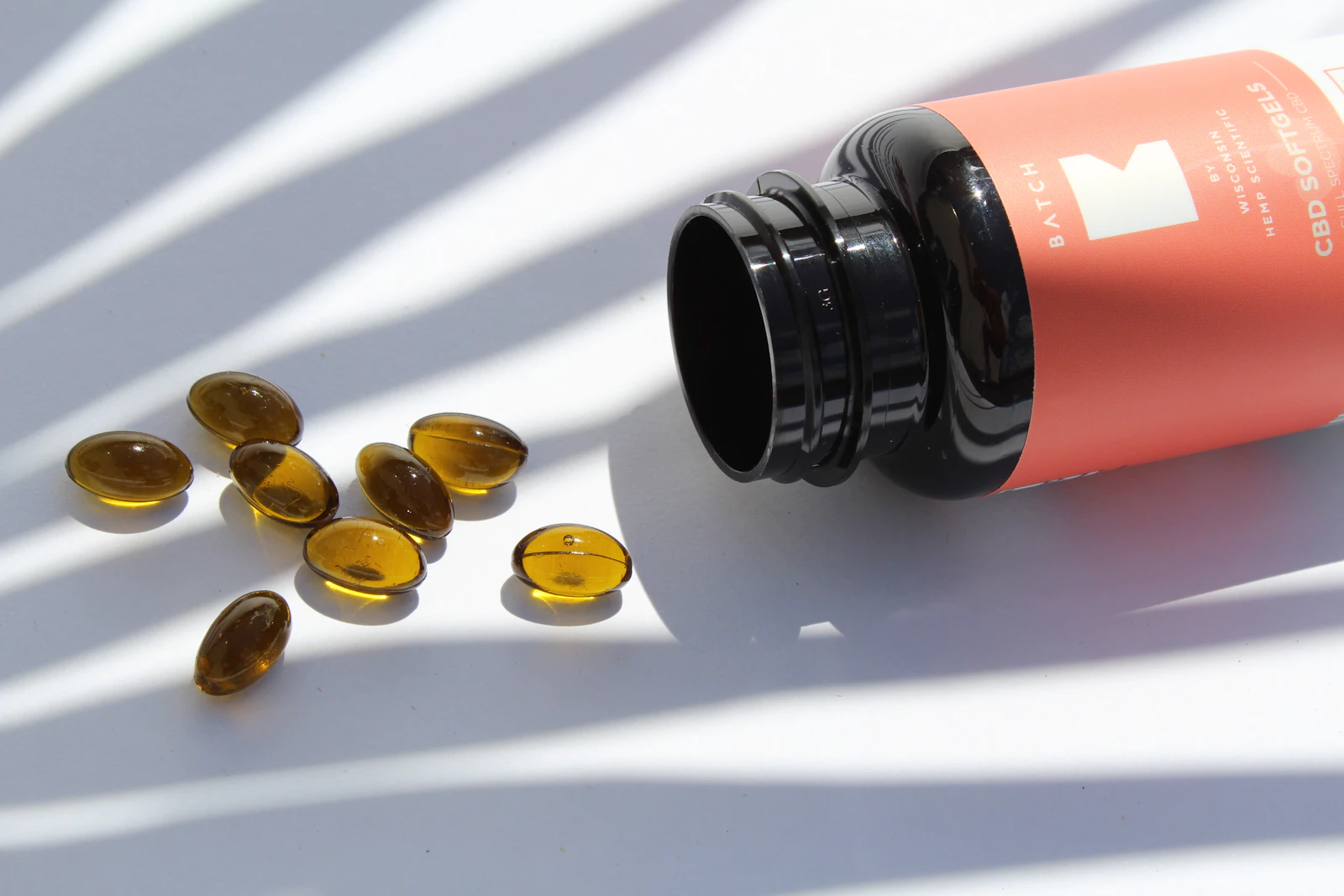
Supplements: the reliable lever. Vitamin D3 (cholecalciferol) raises blood levels more effectively than D2, and taking it with a meal containing fat improves absorption. Typical maintenance doses run 1,000-2,000 IU daily; correcting a true deficiency often takes more for a few months, which is exactly the decision to make with your doctor and a follow-up test rather than by guesswork. More is not better indefinitely — vitamin D is fat-soluble, builds up, and very high doses over time can cause dangerous calcium levels. Stay under the 4,000 IU daily upper limit unless medically supervised.
People Also Ask
What are the warning signs of low vitamin D?
The most common signs are persistent fatigue, bone and lower back pain, frequent colds, low mood, muscle weakness or cramps, slow wound healing, and hair shedding. Because these overlap with many other conditions, the only way to confirm is a 25(OH)D blood test.
How can I raise my vitamin D quickly?
The fastest safe route is a doctor-supervised repletion dose of D3 — often several thousand IU daily or a weekly high-dose regimen for 8 to 12 weeks — taken with a fatty meal, followed by a retest. Sunlight and fatty fish help maintain levels but won’t rapidly correct a true deficiency, especially in winter.
What happens if vitamin D deficiency goes untreated?
Long-term deficiency leads to bone loss — osteomalacia in adults, rickets in children — plus higher fracture risk, ongoing muscle weakness, and more frequent infections. The bone consequences are the most serious because they develop silently over years and announce themselves with a fracture.
Can low vitamin D cause weight gain?
The evidence doesn’t show that low D directly causes weight gain — the relationship mostly runs the other way, since vitamin D gets stored away in fat tissue, lowering blood levels in people with higher body fat. Fixing a deficiency improves energy and muscle function, which can make activity easier, but it isn’t a weight-loss treatment.
Is it better to take vitamin D daily or weekly?
Both work — what matters is the total dose and consistency. Daily dosing (1,000-2,000 IU) keeps levels steadiest, while weekly dosing suits people who forget pills. Take it with a meal containing fat either way, since vitamin D is fat-soluble and absorbs poorly on an empty stomach.
The Bottom Line
Vitamin D deficiency hides in plain sight: tiredness you’ve normalized, aches you’ve blamed on your desk chair, winters that feel heavier than they should. If several signs on this list sound familiar — especially if you’re in a risk group — ask for the 25(OH)D test at your next appointment. It costs little, takes minutes, and if it comes back low, the fix is one of the simplest in all of medicine: sensible sun, D-rich foods, and a well-chosen D3 supplement with follow-up testing to prove it worked.