
Protein has officially escaped the gym. It’s on cereal boxes, in pasta aisles, stamped across yogurt lids in fonts bigger than the brand name. And while \”protein-washed\” junk food deserves the eye-roll it gets, the underlying shift is legitimate: most nutrition researchers now agree that adequate protein — for muscle, for satiety, for healthy aging — matters more than the old guidelines suggested.
The good news is you don’t need a single scoop of powder to eat well. Real food covers almost everyone’s needs, usually more cheaply and always more deliciously. Here’s the complete rundown: how much protein you actually need, the best high protein foods in every category, and the painless ways to work them into meals you already eat.
How Much Protein Do You Actually Need?
The official RDA is 0.8 grams per kilogram of body weight per day — about 55 grams for a 70 kg (155 lb) person. But that number was set as the minimum to prevent deficiency, not the amount for feeling and performing your best. Most researchers studying muscle and aging now point to a more useful range:
- Sedentary adults: at least 0.8 g/kg — the floor, not the goal.
- Active people and regular exercisers: 1.2 to 1.6 g/kg.
- Strength training or building muscle: 1.6 to 2.2 g/kg.
- Adults over 50: 1.0 to 1.2 g/kg or more — protein needs rise with age because muscle becomes harder to keep.
- During weight loss: the higher end of your range, to protect muscle while calories drop.
Two practical notes. First, spreading protein across the day — roughly 25 to 40 grams per meal — beats cramming it into dinner, because your muscles respond to each protein dose separately. Second, people with kidney disease should discuss protein targets with their doctor; for healthy kidneys, the research consistently shows higher protein intakes are safe.
The Best High Protein Foods, Ranked by Category
Eggs and dairy
- Greek yogurt: 15-20 g per cup, plus probiotics. Strained skyr goes even higher.
- Cottage cheese: 24-28 g per cup — the comeback kid of the protein world, and rich in slow-digesting casein that makes it a favorite bedtime snack.
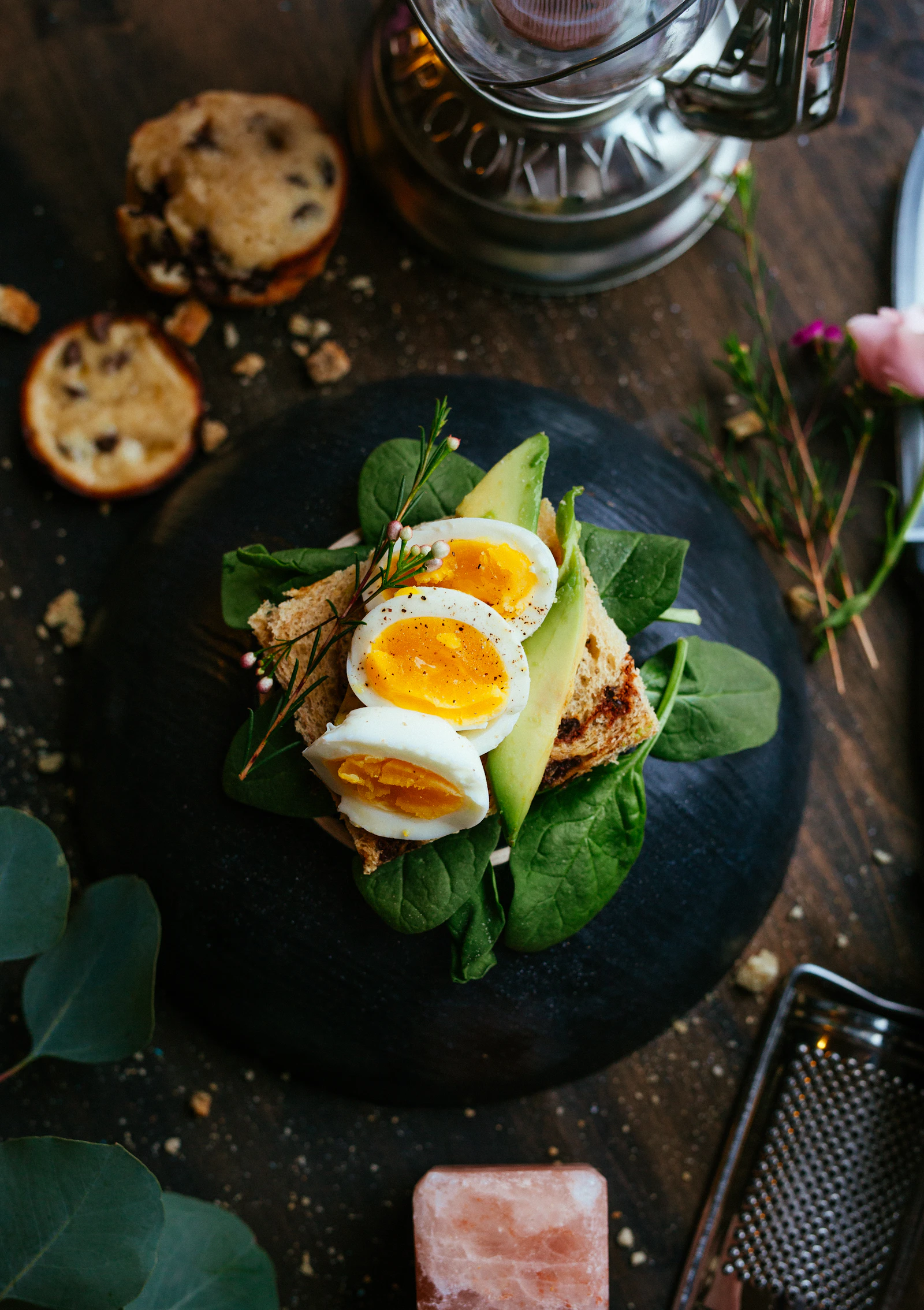
- Eggs: 6 g each, with the highest biological value of any whole food. The yolk carries half the protein and most of the nutrients — eat the whole egg.
- Milk and kefir: 8-9 g per cup.
- Hard cheeses: parmesan tops the chart at about 10 g per ounce.
Poultry and meat
- Chicken breast: 31 g per 100 g cooked — the benchmark for a reason, though thighs (26 g) taste better and forgive overcooking.
- Turkey: 29 g per 100 g, and ground turkey makes a leaner swap in almost any recipe.
- Lean beef: 26-27 g per 100 g, plus iron, zinc, and B12 in forms your body absorbs easily.
- Pork tenderloin: 26 g per 100 g and leaner than most people assume — comparable to chicken breast.
Fish and seafood
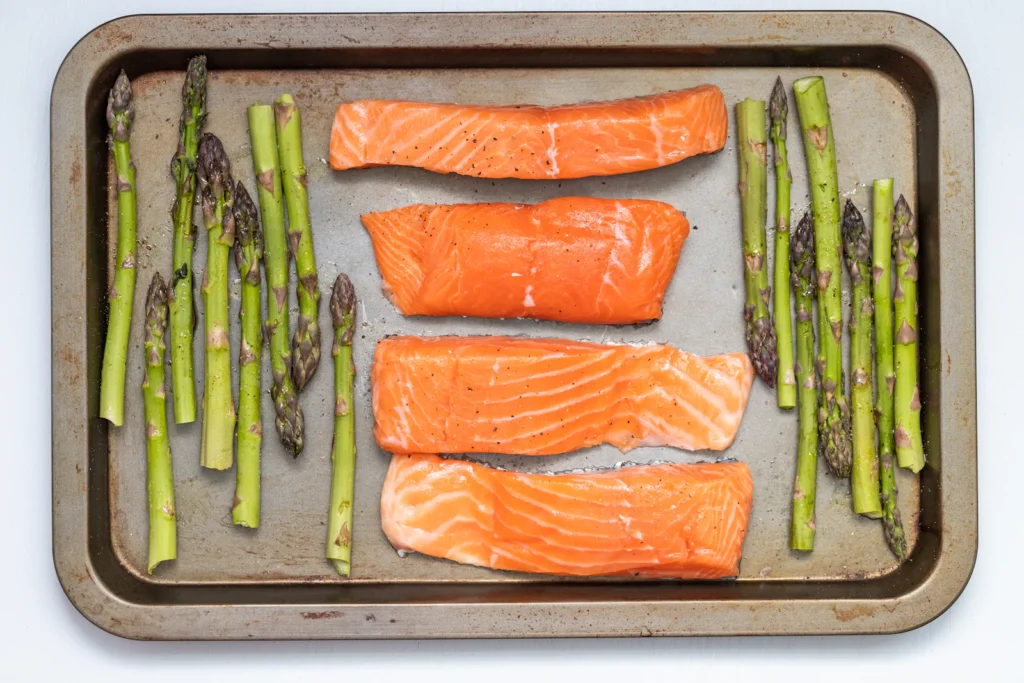
- Salmon: 25 g per 100 g, bundled with omega-3s no chicken breast can offer.
- Tuna: 30 g per 100 g cooked, or about 20 g per small can — the cheapest protein per gram in most supermarkets.
- Shrimp: 24 g per 100 g and almost nothing else — nearly pure protein.
- Sardines: 25 g per 100 g plus calcium from the soft bones. Criminally underrated on toast.
Plant-based proteins
- Lentils: 18 g per cooked cup, with a monster dose of fiber riding along.
- Chickpeas and black beans: 15 g per cooked cup.
- Tofu: 17-20 g per 100 g for firm varieties; tempeh pushes past 19 g with fermentation benefits.
- Edamame: 18 g per cup and one of the few plant proteins that’s complete on its own.
- Seitan: the plant-protein heavyweight at roughly 25 g per 100 g (skip it if you’re gluten-free).
- Quinoa: 8 g per cooked cup — modest, but complete, which is rare for a grain.
- Nuts and seeds: pumpkin seeds and hemp hearts lead at 9-10 g per ounce; peanut butter gives 7-8 g per two tablespoons.
A note on the old \”incomplete protein\” worry: as long as you eat a variety of plant foods across the day — beans with grains, hummus with pita, peanut butter on wheat toast — your body pools amino acids just fine. You don’t need to combine proteins at every meal; that idea was retired decades ago.
Painless Ways to Eat More Protein
Most people don’t have a dinner problem — dinner usually delivers. The gap is breakfast and snacks. Close it with swaps rather than willpower:
- Swap regular yogurt for Greek yogurt or skyr: +10 g without changing what you eat.
- Add an egg or two to whatever breakfast you already make: +6-12 g.
- Stir cottage cheese into scrambled eggs, pasta sauce, or on toast with tomatoes: +12 g per half cup.
- Snack on edamame, jerky, roasted chickpeas, or a cheese stick instead of crackers alone.
- Bulk soups and salads with a can of beans or lentils: +15 g per cup.
- Keep canned tuna, sardines, and rotisserie chicken on hand — the difference between hitting your target and not is usually convenience, not knowledge.
Protein is also the most satiating macronutrient — it blunts hunger better than carbs or fat, which is why high protein breakfasts consistently reduce snacking later in the day in studies. If you’re pairing protein with fiber, you’ve built the most filling plate nutrition science knows how to construct.
Do You Need Protein Powder?
Need? No. Powders are convenience, not magic — a scoop of whey is nutritionally similar to a glass of milk with the water squeezed out. They earn their place if you struggle to hit targets with food alone, train hard, or want a fast option after workouts. If you use one, whey and casein have the deepest research; soy and pea blends are solid plant-based picks. But nobody ever got strong because of powder and weak because of chicken and lentils.
People Also Ask
What food is highest in protein?
Per 100 grams cooked, the leaders are chicken breast (31 g), tuna (30 g), turkey (29 g), lean beef (27 g), and salmon (25 g). Among plant foods, seitan (25 g) and tempeh (19 g) top the list. Per calorie, egg whites, shrimp, and cottage cheese are among the most protein-dense foods you can eat.
How can I get 100 grams of protein a day?
Easier than it sounds: two eggs and a cup of Greek yogurt at breakfast (about 30 g), a tuna sandwich or lentil bowl at lunch (25-30 g), a palm-sized chicken breast or tofu stir-fry at dinner (30 g), plus a cheese stick or handful of pumpkin seeds as a snack (10 g). No powders required.
What are signs you’re not eating enough protein?
Constant hunger, losing strength or muscle despite exercising, slow recovery from workouts, hair shedding, brittle nails, and getting sick more often can all point to low protein intake. True deficiency is rare in developed countries, but sub-optimal intake — especially in older adults and dieters — is common.
Is too much protein bad for your kidneys?
For people with healthy kidneys, research consistently shows higher protein intakes — up to around 2 g per kg of body weight — are safe. The caution applies to people with existing kidney disease, who should set protein targets with their doctor. For everyone else, the \”protein damages kidneys\” claim doesn’t hold up in controlled studies.
What’s the best high protein food for weight loss?
Foods that combine high protein with low calories and high satiety: egg whites and whole eggs, Greek yogurt, cottage cheese, white fish, shrimp, chicken breast, and lentils. Protein preserves muscle while you lose fat and keeps you fuller per calorie than any other macronutrient — which is why nearly every successful diet, whatever its branding, quietly runs on it.
The Bottom Line
Aim for roughly 1.2 to 1.6 grams of protein per kilogram of body weight if you’re active — more if you lift, a bit less if you’re sedentary — and spread it across your meals. Build your plate from the lists above: eggs, dairy, poultry, fish, beans, tofu, and seeds, in whatever mix suits your taste and budget. Hit breakfast hardest, keep convenient options stocked, and treat powder as a backup plan rather than a foundation. That’s the entire science, minus the shouting labels.