
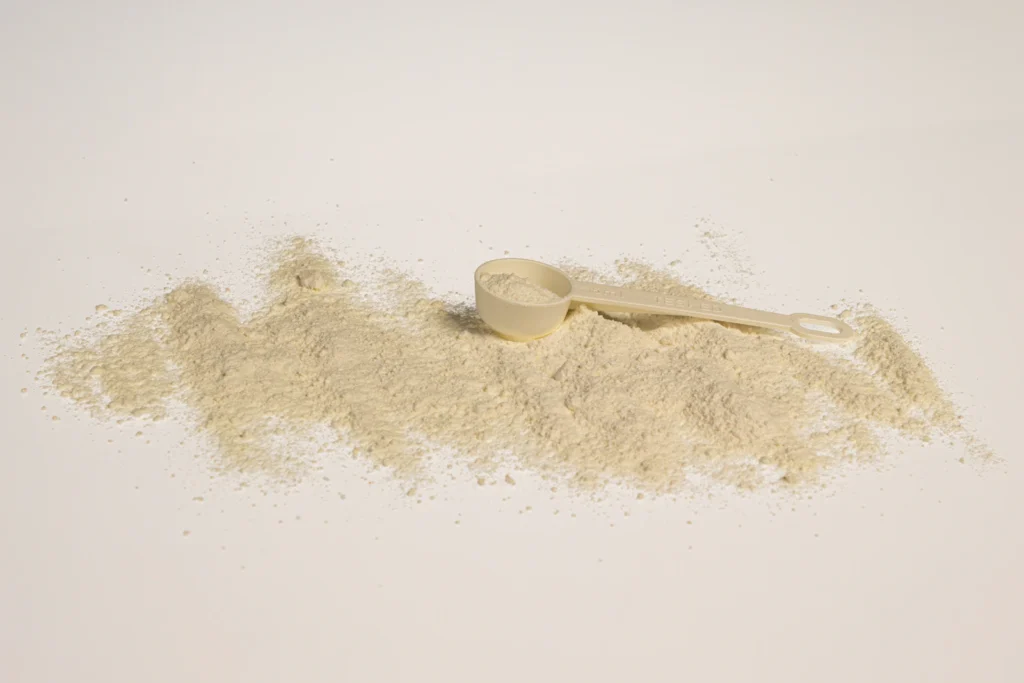
Every few months, the wellness internet rediscovers psyllium husk. Someone calls it \”nature’s Ozempic,\” someone else films themselves drinking what looks like wallpaper paste, and a supplement that your grandmother has quietly used for decades sells out at every pharmacy in town. Then the cycle moves on — but psyllium stays, because unlike most viral supplements, this one has genuinely boring, genuinely solid science behind it.
Here’s what psyllium husk actually does, what the research supports, and how to take it without hating the experience — plus the mistakes that cause most people to give up in the first week.
What Is Psyllium Husk?
Psyllium is the husk of seeds from Plantago ovata, a shrub grown mainly in India. What makes it special is its fiber profile: psyllium is mostly soluble fiber that forms a thick gel when it meets water — up to ten times its weight in it. That gel-forming ability is the engine behind nearly every benefit on its resume.
You’ve met psyllium before even if you don’t know it: it’s the active ingredient in Metamucil and most \”fiber therapy\” products. You can buy it as whole husks, fine powder, or capsules, and bakers in the gluten-free and keto worlds use it to give bread its chew. It’s one of the cheapest supplements on any shelf, which may explain why nobody spends money marketing it.
What Psyllium Husk Does, According to Actual Research
1. It regulates digestion in both directions
Psyllium is the rare fiber that helps with both constipation and loose stools. The gel softens and bulks stool when things are slow, and absorbs excess water when they’re not — which is why gastroenterologists reach for it first and why it’s a standard recommendation for IBS. Unlike stimulant laxatives, it doesn’t create dependence; it just gives your gut something to work with.
2. It lowers LDL cholesterol — modestly but reliably
This is psyllium’s most impressive credential. Dozens of randomized trials show that roughly 10 grams of psyllium daily lowers LDL (\”bad\”) cholesterol by about 6 to 10 mg/dL. The gel traps bile acids in your gut, forcing your liver to pull cholesterol from your blood to make more. The effect is strong enough that the FDA allows psyllium products to carry a heart-health claim — a bar very few supplements clear.
3. It smooths out blood sugar
Taken with meals, psyllium’s gel slows how quickly carbohydrates hit your bloodstream. Meta-analyses in people with type 2 diabetes show meaningful reductions in fasting blood sugar and HbA1c. If you’re on diabetes medication, loop in your doctor before adding daily psyllium — the combination can work almost too well and doses may need adjusting.
4. It genuinely helps with fullness
The \”nature’s Ozempic\” framing oversells it, but the mechanism is real: a glass of psyllium before a meal physically fills the stomach and slows emptying, which takes the edge off appetite. Studies show reduced hunger between meals. It’s not a weight-loss drug; it’s a volume trick — a useful one if portion control is your struggle.
How to Take Psyllium Husk (Without the Gag Factor)
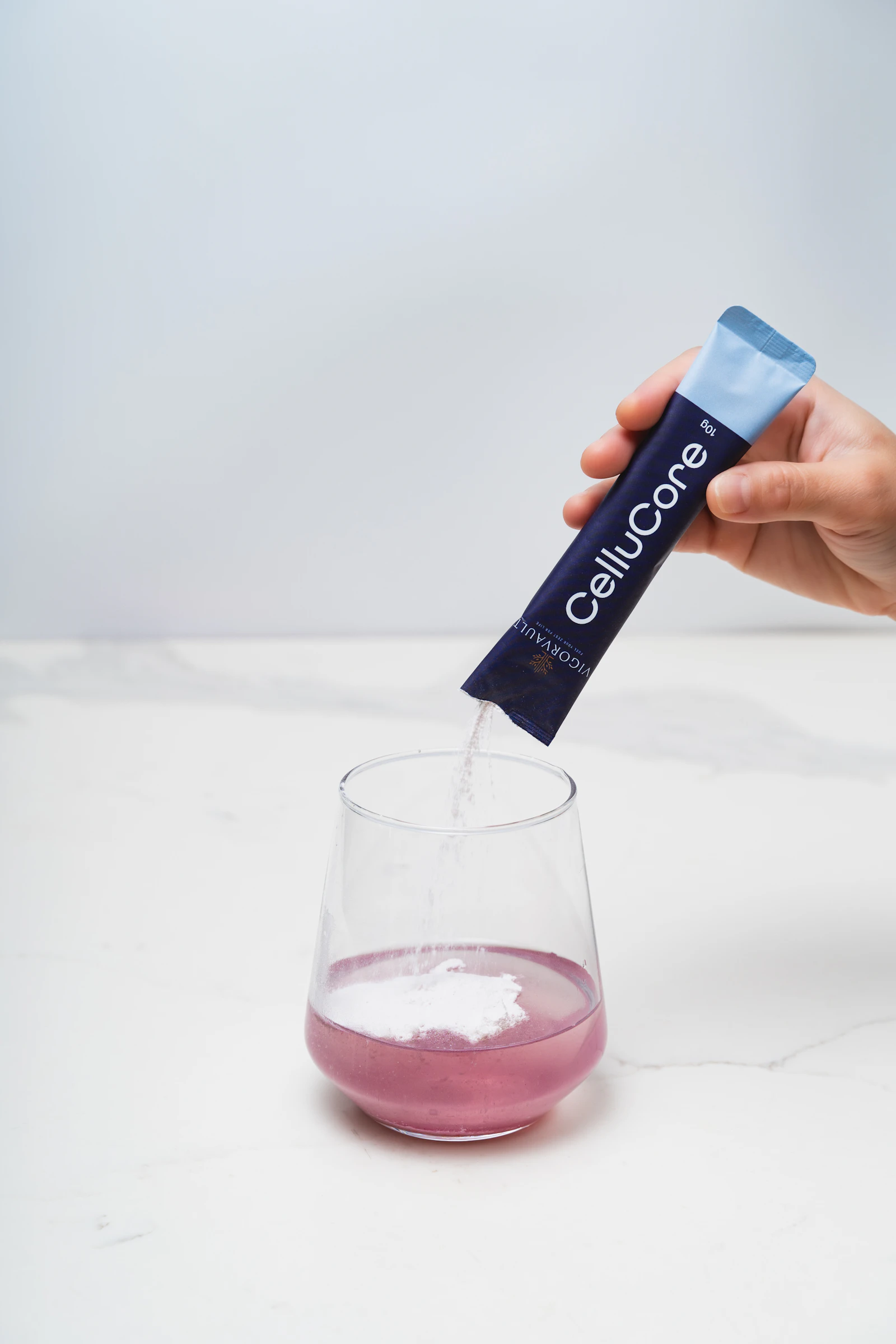
Everyone who quits psyllium quits for the same reason: they let it sit. Psyllium starts gelling the second it touches liquid, and after two minutes a drinkable glass becomes something closer to a science experiment. The technique matters more than the product.
- Start with one teaspoon (about 5 grams) once a day, stirred briskly into a full glass of water or juice.
- Drink it immediately — within 30 seconds of stirring. Then drink a second glass of plain water. Hydration is not optional with psyllium.
- Build up slowly. After a week, add a second teaspoon at another meal if you want the cholesterol or blood sugar benefits, working toward 5 to 10 grams daily. Going too fast is what causes the gas and bloating people complain about.
- Take it consistently — with breakfast, before your biggest meal, whatever you’ll actually remember. The cholesterol data comes from daily use, not occasional rescue doses.
- Space it from medications. The same gel that traps bile acids can reduce absorption of some drugs. Take psyllium at least two hours away from prescription medication, and check with a pharmacist if you take anything critical like thyroid medication.
Hate the texture no matter what? Capsules work, though you’ll need five or six to match a teaspoon of powder. Better options: stir psyllium into oatmeal or yogurt, blend it into a smoothie (drink promptly), or bake with it — a tablespoon transforms gluten-free and keto breads. Same fiber, zero slime.
Side Effects and Who Should Be Careful
For most people, psyllium’s side effects are limited to temporary gas and bloating as the gut microbiome adjusts — a week or two, minimized by starting low. But a few cautions are non-negotiable. Always take psyllium with plenty of water; taken dry or with too little fluid, it can swell in the throat or gut and cause a blockage, which is dangerous. People with swallowing difficulties, a history of bowel obstruction, or strictures from Crohn’s disease should avoid it unless a doctor says otherwise. And if you experience chest pain, vomiting, or difficulty swallowing after taking it, seek medical care. This article is general information, not medical advice.
Psyllium vs. Other Fibers
Compared to other supplemental fibers, psyllium holds up remarkably well. Inulin and chicory root ferment aggressively in the colon — good for feeding bacteria, notorious for gas. Wheat dextrin and methylcellulose are gentler but have weaker cholesterol evidence. Psyllium ferments only minimally, which means less gas than inulin and a gel that stays intact long enough to do its bile-trapping, sugar-slowing work. It’s also worth saying: no supplement replaces actual fiber-rich foods — beans, oats, vegetables, and fruit bring vitamins, minerals, and polyphenols that no powder can. Psyllium is the gap-filler, not the foundation.
People Also Ask
What does psyllium husk do for the body?
Psyllium husk forms a gel in your digestive tract that regulates bowel movements, lowers LDL cholesterol by trapping bile acids, slows sugar absorption after meals, and increases fullness. It’s the active ingredient in Metamucil and one of the few supplements with FDA-recognized heart-health evidence.
Is it OK to take psyllium husk every day?
Yes — daily use is exactly how psyllium is designed to be taken, and long-term studies show it’s safe for most people. The benefits for cholesterol and blood sugar depend on consistency. Just take it with plenty of water, start with small doses, and keep it two hours away from medications.
Does psyllium husk help you lose weight?
Modestly, as a tool rather than a driver. Taken before meals with water, it increases fullness and can reduce how much you eat. Studies show small effects on weight when combined with a reasonable diet. It will not compensate for eating patterns on its own — anyone selling it as \”nature’s Ozempic\” is stretching the data.
When is the best time to take psyllium husk?
It depends on your goal. For appetite control, take it 15 to 30 minutes before your largest meal. For blood sugar, take it with meals. For regularity, morning or evening both work — consistency matters more than timing. The only firm rules: always with a full glass of water, and away from medications.
Is psyllium husk better than Metamucil?
They’re largely the same thing — Metamucil’s active ingredient is psyllium. The differences are price and additives: plain psyllium husk is significantly cheaper and contains nothing else, while flavored Metamucil varieties add sweeteners or sugar. If you don’t mind the neutral taste, plain husk gives you the identical fiber for a fraction of the cost.
The Bottom Line
Psyllium husk is that rare supplement where the boring reality is better than the viral pitch: a few cents a day for measurable improvements in digestion, cholesterol, blood sugar, and satiety, backed by decades of trials. Start with a teaspoon in a big glass of water, drink it fast, build up slowly, and give it four weeks. Your grandmother was right about this one.