
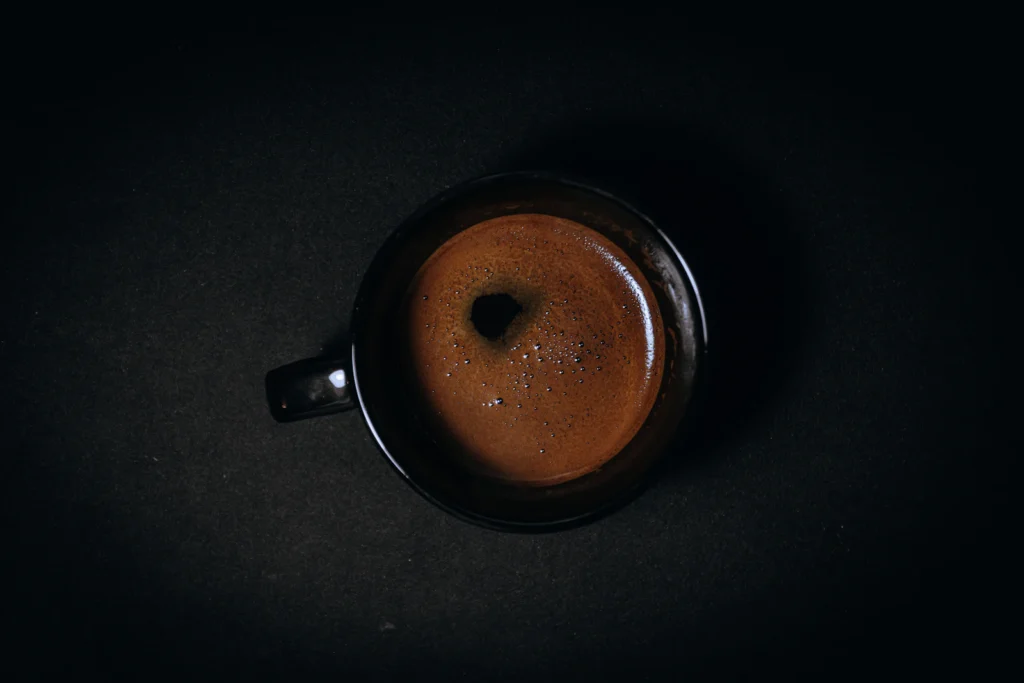
Somewhere between the third TikTok ad and the fourth friend who swore it changed their mornings, you probably started wondering whether mushroom coffee is actually worth trying. Fair question. The category has exploded over the past few years, and like anything that grows that fast, it now includes some genuinely good products and a lot of expensive brown powder.
I’ve spent a lot of time reading labels, comparing extraction methods, and yes, drinking more mushroom coffee than any one person reasonably should. This guide covers what mushroom coffee actually is, which mushrooms do what, how to spot a quality blend, and the questions people ask most before buying their first bag.
What Is Mushroom Coffee, Exactly?
Despite the name, mushroom coffee is not coffee brewed from mushrooms. It’s regular coffee — usually arabica — blended with powdered extracts of functional mushrooms like lion’s mane, chaga, reishi, and cordyceps. Most blends use a roughly 50/50 ratio, which cuts the caffeine to about half of a regular cup while adding the mushroom compounds.
The idea isn’t new. Chaga was brewed as a coffee substitute in Finland during World War II when coffee beans were scarce, and mushrooms like reishi have centuries of use in traditional Chinese medicine. What’s new is the convenience: instant sachets, ground blends for your drip machine, even pods.
The pitch is simple — the smooth lift of coffee with less jitter, plus whatever benefits the mushrooms bring. Whether that pitch holds up depends almost entirely on which product you buy, which is why the label matters more than the marketing.
The Mushrooms That Matter (and What Each One Does)
Not all functional mushrooms are interchangeable. Each species brings different compounds to the cup, and a good blend tells you exactly which ones it uses and how much.
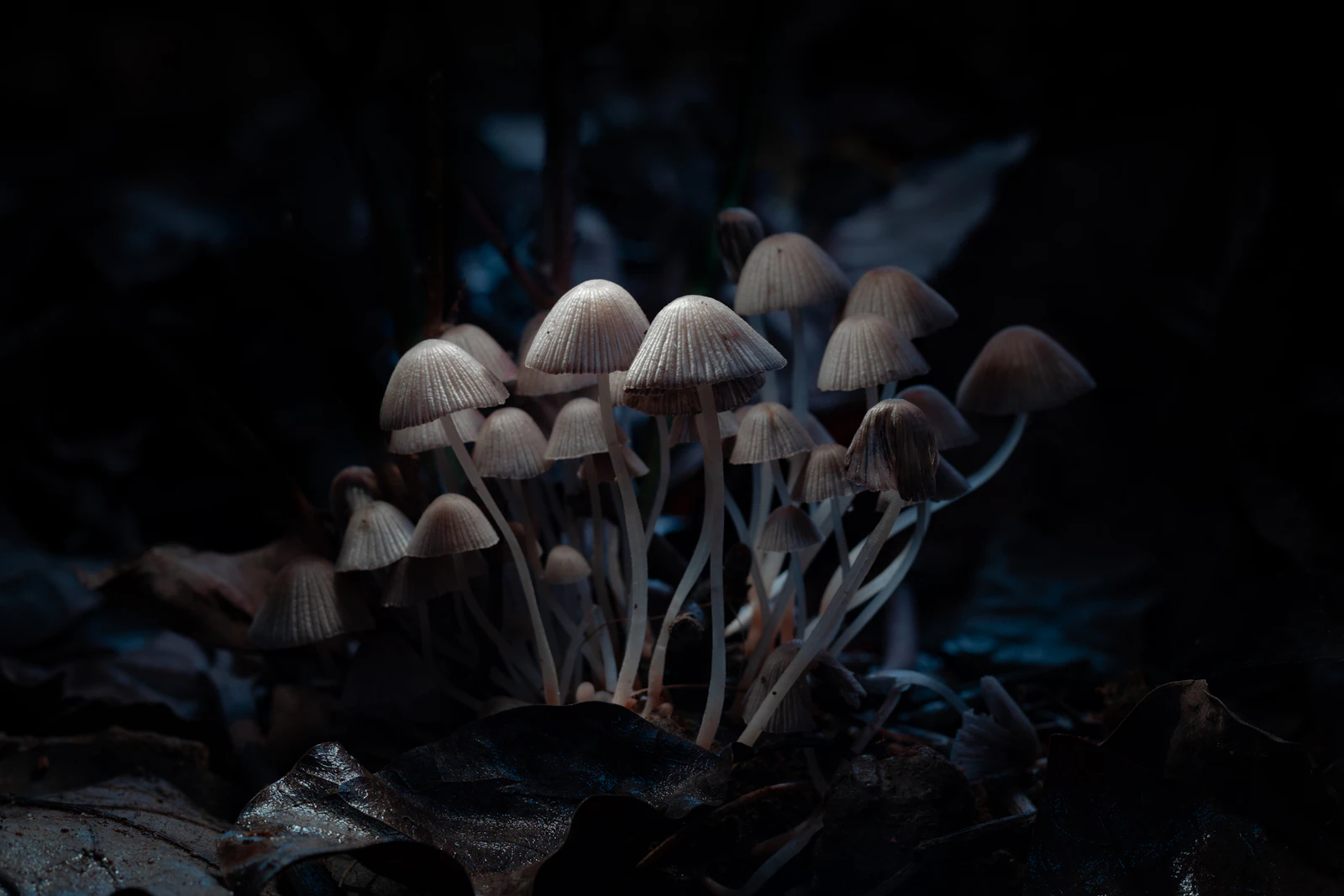
Lion’s Mane
The star of most blends, and the one with the most interesting research behind it. Lion’s mane contains hericenones and erinacines, compounds studied for their potential to support nerve growth factor production. Small human studies have shown modest improvements in cognitive performance, which is why lion’s mane is the mushroom most associated with the \”focus\” claims on mushroom coffee packaging. If mental clarity is your goal, make sure lion’s mane is high on the ingredient list.
Chaga
Technically a sclerotium rather than a true mushroom, chaga grows on birch trees and is rich in antioxidants. It has an earthy, slightly vanilla-like flavor that actually complements coffee better than most of the others. Chaga is the workhorse in blends aimed at general wellness and immune support.
Cordyceps
Popular with the gym crowd. Cordyceps has been studied for its effects on oxygen uptake and exercise performance, with mixed but intriguing results. Blends built around cordyceps are usually marketed for energy, and it pairs logically with the caffeine that’s already in your cup.
Reishi
The calming one. Reishi is traditionally used for relaxation and sleep support, which makes it an odd companion for caffeine — and that’s exactly the point. Blends that include reishi are trying to smooth out coffee’s edge. You’ll also find reishi in caffeine-free evening \”mushroom lattes\” for the same reason.
Turkey Tail and Maitake
Supporting players that show up in multi-mushroom blends. Both are rich in beta-glucans, the polysaccharides most associated with immune support. They rarely headline a product but round out the ingredient list in the better multi-blend formulas.
Does Mushroom Coffee Actually Work?
Here’s the honest answer: the research on functional mushrooms is promising but early. Most studies are small, many are on animals, and the doses used in research are often higher than what you’ll get in a single cup of blended coffee. Anyone telling you mushroom coffee will transform your brain is selling something.
That said, two benefits are very real and don’t depend on the mushroom science at all. First, less caffeine. A typical mushroom coffee delivers 40 to 60 mg per cup versus roughly 100 mg in regular coffee, and many people genuinely feel less jittery and crash less in the afternoon. Second, if a blend uses proper dual-extracted mushroom material, you are getting meaningful amounts of beta-glucans and antioxidants — compounds with legitimate, well-documented biological activity.
So the fair framing is this: mushroom coffee is a lower-caffeine cup with plausible bonus benefits, not a magic potion. Plenty of people find that trade worth it. If you’re sensitive to caffeine, it might be the single easiest switch you can make.
How to Choose the Best Mushroom Coffee: 5 Things to Check
1. Fruiting body vs. mycelium
This is the single biggest quality divider. The fruiting body is the actual mushroom — the part with the highest concentration of beneficial compounds. Mycelium is the root-like network, and products made from \”mycelium on grain\” are often mostly grain filler with modest amounts of active compounds. Look for the words \”100% fruiting body\” on the label. If a brand doesn’t say, assume mycelium.
2. Extraction method
Raw powdered mushroom is hard for your body to use because the beneficial compounds are locked inside tough chitin cell walls. Hot water extraction frees the beta-glucans; alcohol extraction pulls out compounds like reishi’s triterpenes. The best products use dual extraction and say so. \”Mushroom powder\” with no mention of extraction is a yellow flag.
3. Actual dosage
A meaningful dose of mushroom extract is generally 500 mg to 1,000 mg or more per serving. Some blends contain as little as 250 mg spread across six different mushrooms, which is fairy dusting. Brands that are proud of their dose print it clearly; brands that hide it behind a \”proprietary blend\” usually have a reason.
4. Third-party testing
Mushrooms are bioaccumulators — they absorb whatever is in their growing environment, including heavy metals. Chaga in particular is wild-harvested. Reputable brands test every batch for heavy metals, pesticides, and beta-glucan content, and publish the results or make them available on request.
5. Taste and format
The best mushroom coffee is the one you’ll actually drink. Instant sachets are the most convenient and the most common way people start. Ground blends brew in your normal drip machine or French press and generally taste the most like real coffee. If you’re caffeine-free, several brands make chicory and mushroom blends that scratch the coffee itch without any caffeine at all.
Which Style Is Right for You?
- For first-timers: an instant lion’s mane and chaga blend. Low commitment, easy to make, and the flavor is closer to regular coffee than you’d expect.
- For serious coffee drinkers: a ground blend made with specialty-grade arabica. You keep your ritual — grinder, pour-over, French press — and the mushrooms come along for the ride.
- For workouts: a cordyceps-forward blend taken 30 to 45 minutes before training.
- For the anxious or caffeine-sensitive: a half-caff blend with reishi, or a fully caffeine-free mushroom \”coffee\” based on chicory and dandelion root.
- For evenings: skip coffee entirely and look at reishi hot chocolate or a mushroom latte mix.
Well-known names in the space include Four Sigmatic, RYZE, MUD\\WTR, Laird Superfood, and Everyday Dose, but newer brands launch constantly. Judge each one against the five checks above rather than by follower count.
How to Make Mushroom Coffee Taste Great
Straight up, most blends taste like slightly earthy coffee — noticeable but not unpleasant. A few tricks improve things dramatically. Use water just off the boil rather than boiling, which scalds instant blends. Add a splash of oat milk or a small pat of butter; fat carries the earthy notes beautifully. A dash of cinnamon or a drop of vanilla masks any lingering mustiness. And if you’re brewing a ground blend, treat it exactly like good coffee: fresh, filtered water and a proper ratio of about 1:16.
Side Effects and Who Should Skip It
Functional mushrooms are well tolerated by most people, but they’re not for everyone. Digestive upset is the most common complaint in the first week as your gut adjusts. Chaga is high in oxalates, so people prone to kidney stones should be cautious. Reishi can have mild blood-thinning effects, which matters if you take anticoagulants or have surgery scheduled. And anyone who is pregnant, breastfeeding, immunocompromised, or on medication should check with a doctor first — the same advice that applies to any supplement. This article is for general information and isn’t medical advice.
People Also Ask
Does mushroom coffee taste like mushrooms?
No. Good blends taste like slightly earthy, mellow coffee. The mushroom extracts used are mild, and chaga in particular has a subtle vanilla note. Most people can’t identify the mushroom flavor in a blind taste test — at most, you’ll notice the cup is a little smoother and less acidic than regular coffee.
Is it OK to drink mushroom coffee every day?
For most healthy adults, yes. Daily use is how functional mushrooms are traditionally consumed, and the doses in coffee blends are moderate. The exceptions are people with kidney stone history (chaga’s oxalates), those on blood thinners (reishi), and anyone pregnant or on medication, who should get medical advice first.
Does mushroom coffee have caffeine?
Most blends do — typically 40 to 60 mg per cup, about half of regular coffee. The mushrooms themselves contain no caffeine; it all comes from the coffee in the blend. Fully caffeine-free versions exist, usually built on chicory root instead of coffee.
Which mushroom coffee is best for focus?
Look for a blend where lion’s mane is the first mushroom listed, made from 100% fruiting body with at least 500 mg per serving. Lion’s mane is the species with the most human research behind cognitive claims, and pairing it with coffee’s caffeine gives you both an immediate and a potential long-term effect.
Is mushroom coffee better than regular coffee?
It depends on what you want. If regular coffee gives you jitters, acid reflux, or an afternoon crash, the lower caffeine and smoother profile of mushroom coffee is a genuine upgrade. If you tolerate coffee well and love the taste, regular coffee is already one of the most antioxidant-rich drinks you can have — there’s no need to switch.
The Bottom Line
The best mushroom coffee is one made from 100% fruiting body extracts, dual-extracted, honestly dosed at 500 mg or more, third-party tested, and — crucially — one that tastes good enough to become a habit. Start with a lion’s mane and chaga instant blend, give it two weeks, and pay attention to how your mornings feel. The caffeine reduction alone wins a lot of people over, and everything the mushrooms add on top is a bonus.